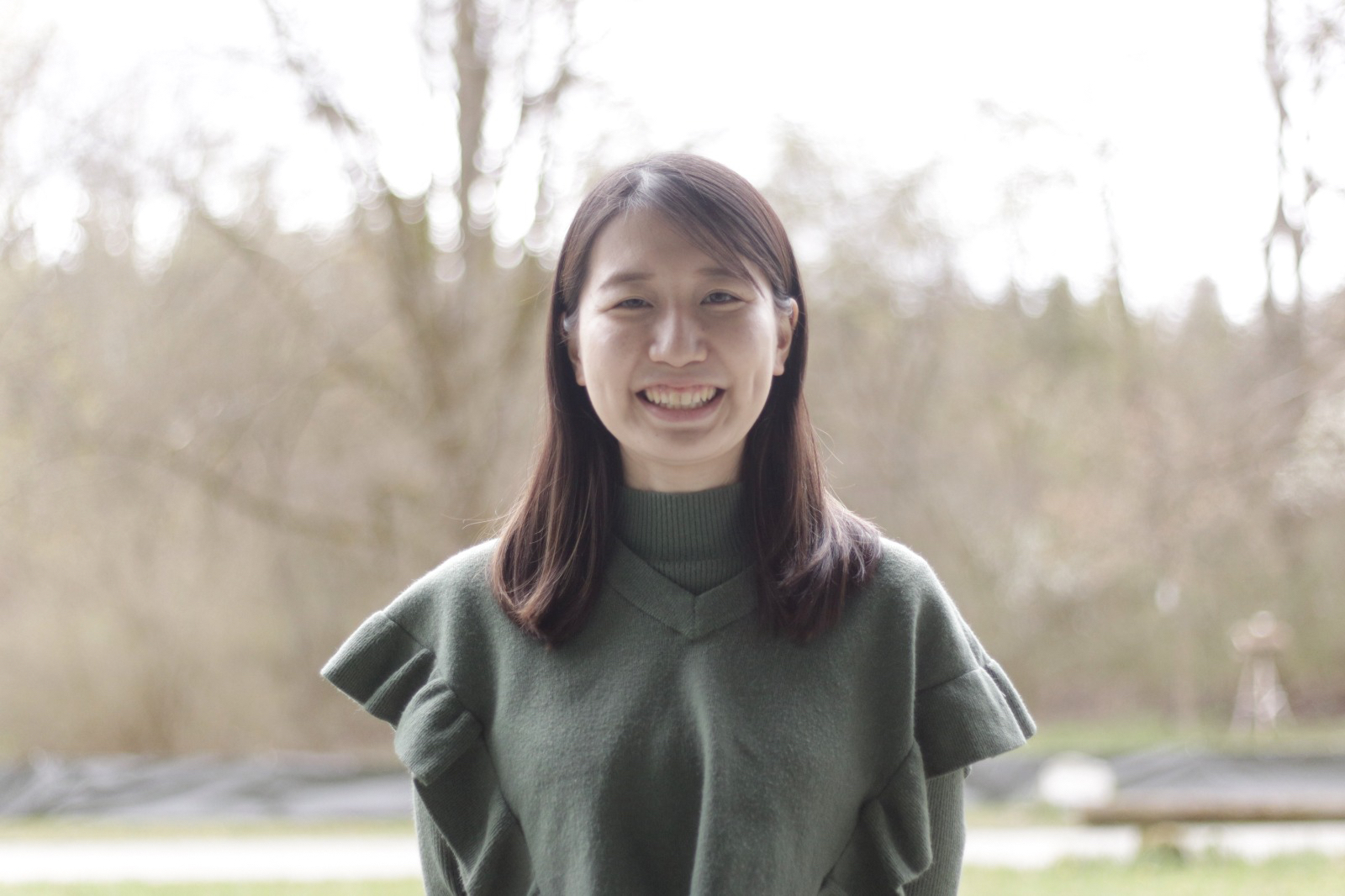
“Structure of the human voltage-gated proton channel Hv1 in complex with the pore-forming toxin LukAB.”
_
Date and Time
4:00 PM – 5:30 PM Thursday, June 25th, 2026
Location
Onsite(CryoEM building)
Speaker
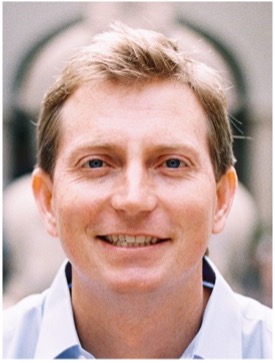
Yusuke Sekiguchi
Dept. of Structural Biology, Department of Host-Microbe Interactions, St. Jude Children’s Research Hospital, Memphis, TN
Abstract
Staphylococcus aureus LukAB is a bicomponent pore-forming toxin that targets human immune cells. Although human voltage-gated proton channel (hHv1) and CD11b/CD18 have been implicated in LukAB-mediated cell targeting, the structural basis of host receptor recognition remains unclear. Here, we analyzed hHv1 in complex with LukAB variants CC8 and CC45 to reveal how LukAB recognizes Hv1 and to provide the first structural insight into hHv1.
“From Plaques to Pores: In Situ Architecture and Isoform-Specific Gating of Human Gap Junction Channels”
_
Date and Time
4:00 PM – 5:30 PM Thursday, January 22nd, 2026
Location
Hybrid(CryoEM building and Zoom)
Speaker
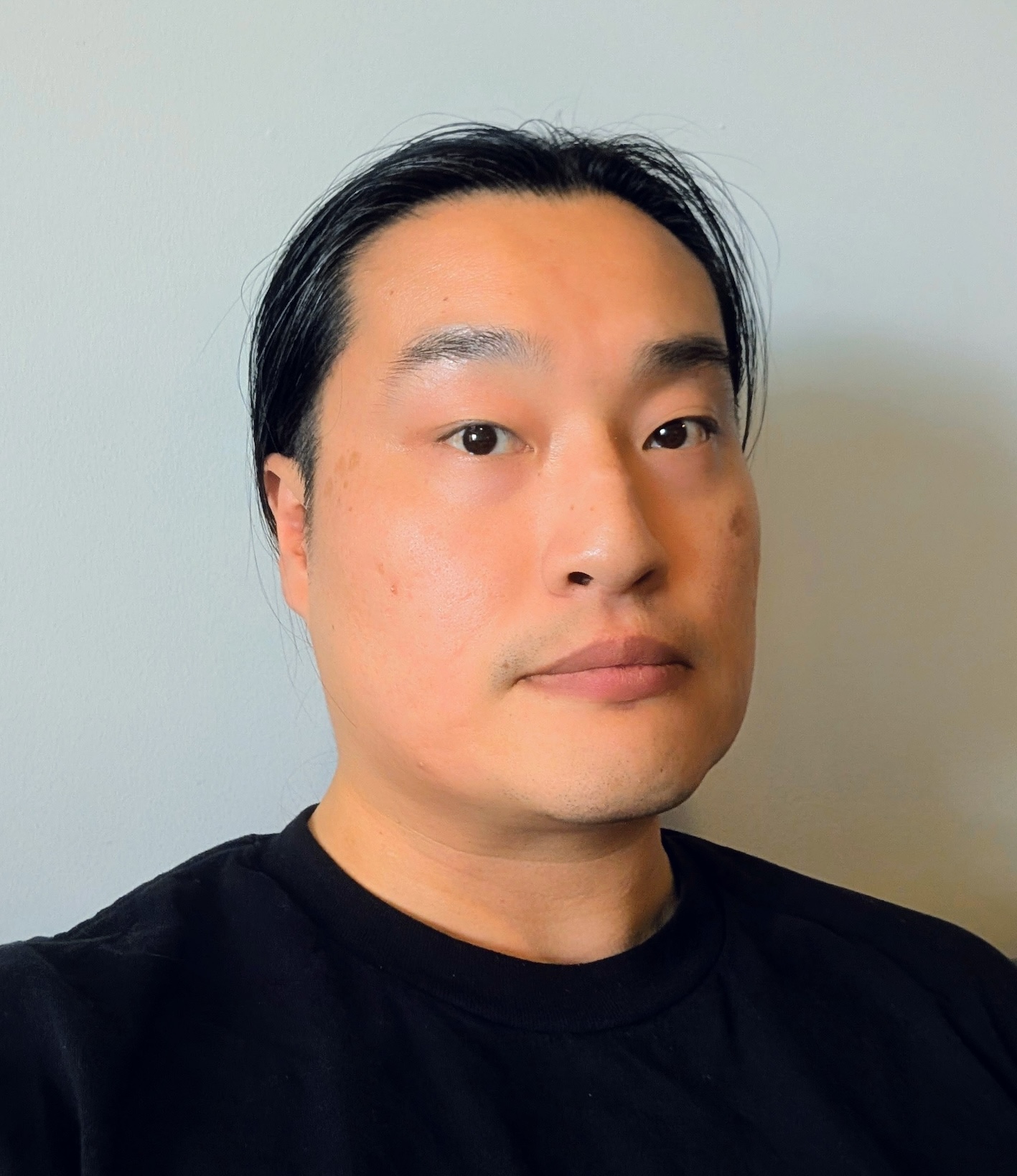
Juha Huiskonen
Professor of Structural Biology, University of Helsinki Director of the Institute of Biotechnology (HiLIFE – Helsinki Institute of Life Science) Member of the Molecular and Integrative Biosciences Research Programme Head of the Laboratory of Structural Biology at the Institute of Biotechnology
Abstract
Gap junction channels formed by connexins underpin electrical and biochemical coupling across tissues, yet the structural principles that govern their assembly and gating remain only partially defined. I will present two complementary structural studies that bridge native-membrane organization with atomic-level mechanisms of channel function. Our in situ cryo-ET structure of human Cx43 gap junction plaques at 14 Å reveals how the extensive C-terminal domain mediates lateral channel interactions critical for plaque formation. Supported by molecular simulations, we identify lipid and cholesterol densities between channels, resolving long-standing questions about the molecular determinants of gap junction lattice organization. In parallel, cryo-EM structures of human Cx45 in apo and Ca²⁺-bound forms at near-atomic resolution describe a compact and uniquely shaped pore, distinct N-terminal conformations, and C-terminal–intracellular loop interactions that define an isoform-specific gating mechanism. Ca²⁺ binding stabilizes a new conformation of E41 without inducing global motion, highlighting a subtle regulatory mechanism consistent with a semi-closed state. Together, these findings contribute to an integrated view of connexin biology, revealing how structural diversity across isoforms and spatial organization within plaques contribute to tissue-specific modes of intercellular communication.
Targeting asparagine metabolism is a promising strategy for treating asparaginase-resistant acute lymphoblastic leukemia (ALL), sarcoma, and potentially other solid tumors. Here, we characterize the molecular mechanism by which a cell-penetrable small molecule, ASX-173, inhibits human asparagine synthetase (ASNS), the enzyme that catalyzes intracellular asparagine biosynthesis. ASX-173 reduces cellular asparagine levels, induces the integrated stress response (ISR), and reduces cell growth in HEK-293A cells. A cryo-EM structure reveals that ASX-173 engages a unique, hydrophobic pocket formed by AMP, Mg2+, and pyrophosphate in the C-terminal synthetase domain of ASNS, thereby enabling multivalent, high-affinity binding. Based on in vitro kinetic and thermal shift assays, we find that ASX-173 binds to the ASNS/Mg2+/ATP complex and is therefore a rare example of an uncompetitive enzyme inhibitor with potential therapeutic use. These findings provide a structural and mechanistic basis for targeting ASNS with small molecules, which have application in treating cancer and other human diseases.
“Using phase diagrams with microseeding to prepare crystal samples for advanced data collection techniques”
_
Date and Time
2:00 PM – 3:00 PM Tuesday, December 9th, 2025
Location
Hybrid(CryoEM building and Zoom)
Speakers: Patrick D. Shaw Stewart
Douglas Instruments Ltd(UK) University of Southampton(UK)
Abstract
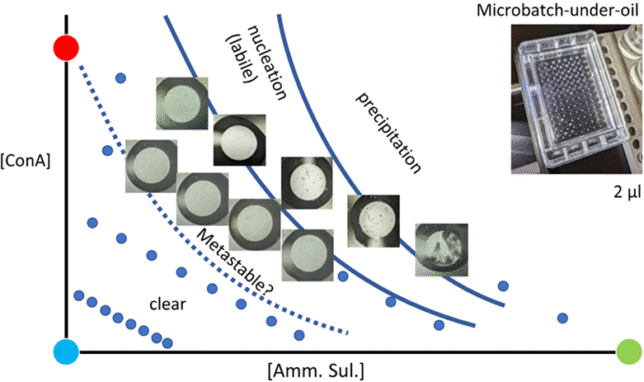
Serial data collection and microED techniques typically require “slurries” of tiny, well-ordered crystals [1]. Neutron diffraction requires very large single crystals. Creating samples for these techniques is often a complex process that requires multiple rounds of optimization. To guide them in this task, protein crystallizers often keep a notional phase diagram in mind, which has four zones: an undersaturated zone where protein always remains in solution, a metastable zone where crystals will grow when seeds are added, a crystal nucleation zone where crystals appear spontaneously, and a protein precipitation zone. However, the shape of real-life phase diagrams can vary, making the interpretation of experimental results difficult. It is therefore very helpful to determine the phase diagrams of individual target proteins experimentally. Douglas Instruments, in collaboration with the University of Southampton, has introduced a rapid and straightforward method for generating custom phase diagrams using just 15 – 60 µL of protein [Fig. 1]. The most straightforward approach utilizes the microbatch-under-oil method to prevent concentrating the sample drop (as would occur in a vapor diffusion setup). By carrying out the same procedure with and without a seedstock, the metastable zone can be identified [2]. Moreover, advanced methods often require relatively large sample volumes, and microbatch can easily be scaled up to 50 µL or larger “batches” using robotics. A new variation of the method eliminates the need for oil by using a sitting drop setup, where solutions are dispensed to the reservoirs that exactly balance the concentrations of the drops. We present case studies where phase diagrams were utilized to enhance control and crystal quality for both routine and advanced data collection.
Figure 1. The rapid determination of a protein’s phase diagram using a microbatch-under-oil format. Blue circles indicate the conditions that were tested. Images of the wells are shown in conditions of interest. All points on the accessible phase diagram can be reached by mixing the three ingredients shown: protein stock (red circle), precipitant or cocktail stock (green circle) and a diluent, normally water (cyan circle). To find the border of the metastable zone (dotted line) the experiment was repeated with the addition of a seed-stock (results not shown).
[1] Stubbs, J., Hornsey, T., Hanrahan, L.B. Esteban, R. Bolton, M. Maly, S. Basu, J. Orlans, D. de Sanctis, J. Shim, Shaw Stewart, P. D., A.M. Orville, I. Tews and West, J. (2024). IUCrJ 11.
[2] D’Arcy, A., Villard, F., Marsh, M. (2007). Acta Cryst. D63(4):550-4.
“Structural Studies of Viral Macromolecular Complexes by Cryo-Electron Microscopy ”
_
Date and Time
4:00 PM – 5:30 PM Friday, October 3th, 2025
Location
Onsite(CryoEM building)
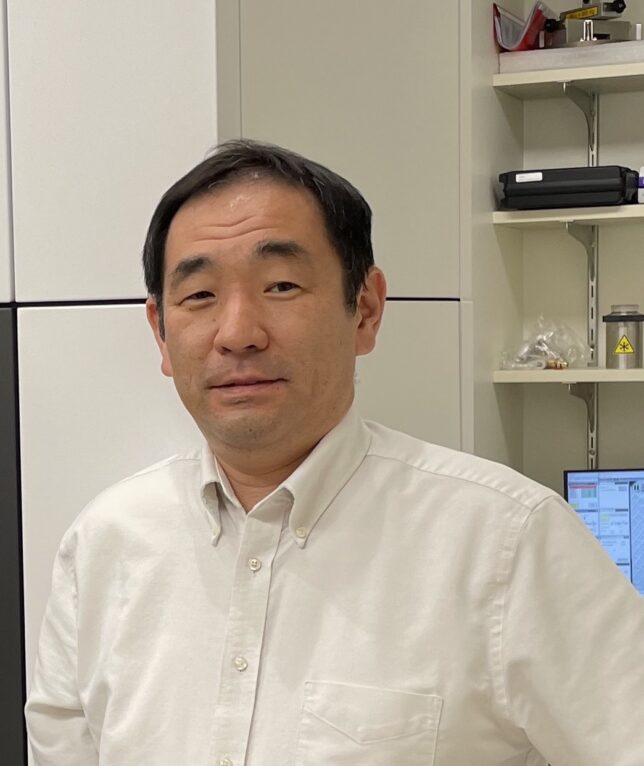
Speakers: Yoko Fujita-Fujiharu
Postdoc Max Planck Institute of Biochemistry German,
Abstract
Understanding the architecture of viral macromolecular complexes is essential for elucidating the mechanisms of viral assembly and replication. While traditional structural biology often focuses on purified proteins in isolation, cryo-electron microscopy (cryo-EM) has the potential to analyze three-dimensional structures in more biologically relevant contexts.
In this talk, I will present some results from a study integrating multi-scale structural information of Ebola virus-like particles (VLPs). By combining in situ single-particle analysis and cryo-electron tomography, we resolved the structures of the viral matrix protein VP40 and the glycoprotein GP within intact VLPs. This multi-scale cryo-EM approach provides structural insights ranging from angstrom-level atomic detail to nanometer-scale organization, offering a more comprehensive understanding of viral assembly and function.
“Enzymes: From Natural Diversity to Optimized Tools for Biomedical Applications – The Case of Antimicrobial Enzymes”
_
Date and Time
10:00 AM – 11:30 AM Wednesday, September 24th, 2025
Location
Onsite(SBRC building)
Speakers: Dr. Claire STINES-CHAUMEIL
Associate Professor Paul Pascal Research Centre University of Bordeaux, FRANCE
Abstract
Enzymes are protein catalysts that can accelerate reaction rates by up to 1021-fold without altering the thermodynamic equilibrium. They are ubiquitous in biochemical transformations and often exhibit remarkable selectivity, a property rarely achieved by artificial catalysts. Enzymes have broad applications across various industries, including agri-food, textiles, PET degradation, drug synthesis, and medicine. My research focuses on understanding the structure-function relationship of enzymes and elucidating their mechanisms, particularly those relevant to biomedical and biotechnological applications. I then optimize natural catalysts through genetic and protein engineering to enhance their suitability for specific uses, such as glucose biosensors, catheters, immunosensors, and disinfection. In my talk, I will focus on microbicidal enzymes naturally involved in human innate immunity. I will present the strategies used to identify key enzymes and characterize their biochemical and physicochemical properties. These enzymes have been optimized to exhibit ideal antimicrobial properties for biomedical applications, such as combating nosocomial infections.